Small Meditation Corner Ideas for Apartments and Shared Rooms
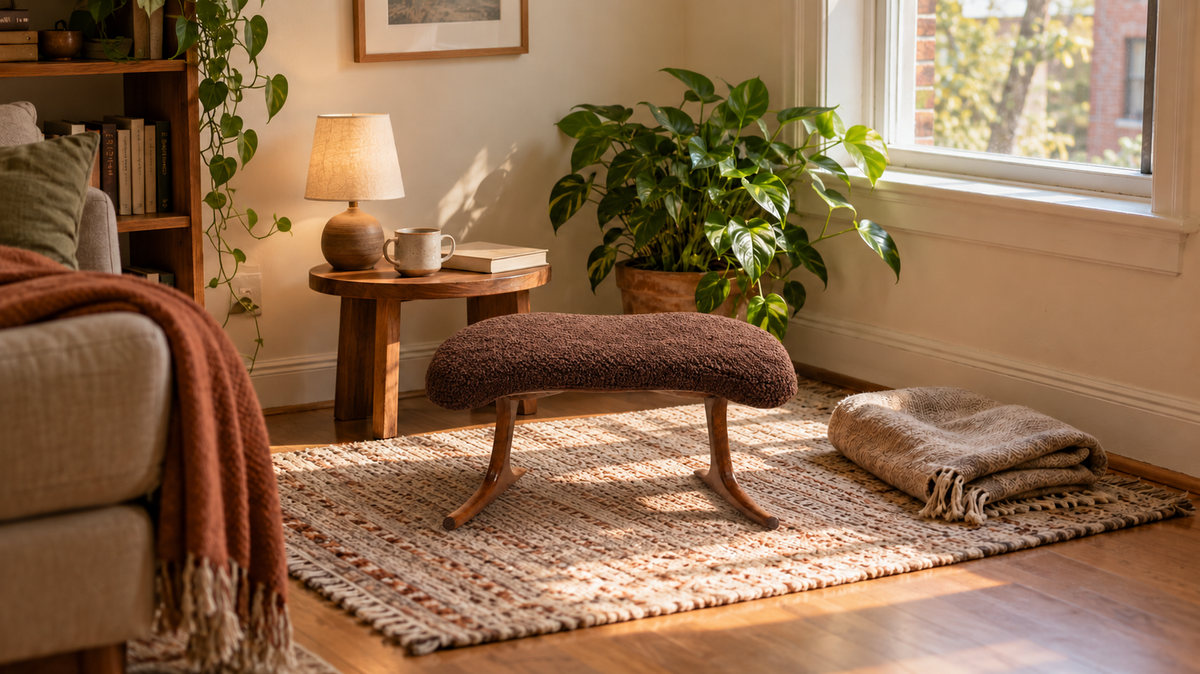
A meditation corner is a small, repeatable place where you can sit without rearranging the whole room. Choose a quiet spot, leave a clear path to it, and add only what helps you begin: a comfortable seat, a small surface, and gentle light. Even a bedroom or shared living room can hold one.
Pick the spot
The best meditation corner is not always the emptiest or most picturesque part of the house. It is the place you can return to regularly without moving a lamp, carrying furniture across the room, or asking someone else to stop what they are doing. A bedroom window, the end of a bookcase, a living-room corner, or a quiet landing may all work.
Stand in the space before adding anything. Check that doors can open, people can pass, and the floor is level. If the seat has rocking legs, allow room for its gentle movement. Keep heating vents, cords, and busy storage out of the immediate sitting area. A corner near natural light can feel pleasant in the morning, but a shaded area may be more comfortable at another time of day.
You do not need a separate meditation room. A small rug, a nearby lamp, or one low table can give a shared room a clear point of focus without making it look like a special-purpose studio. If you have more room to work with, see our guide to creating a meditation space at home.
A seat that tucks away
In a small room, the seat should be comfortable enough to invite use and simple enough to live with between sessions. A cushion can slide under a table or into a cabinet. A dining chair can move back to its usual place. A low meditation chair creates more height than a floor cushion while keeping the room visually open.
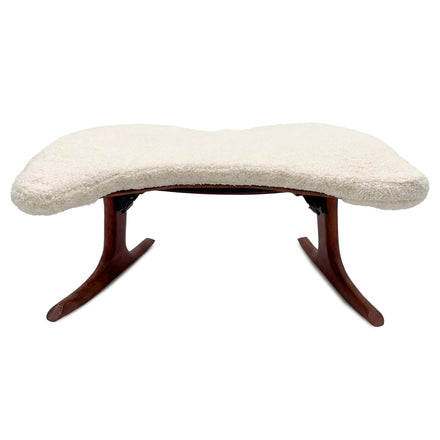
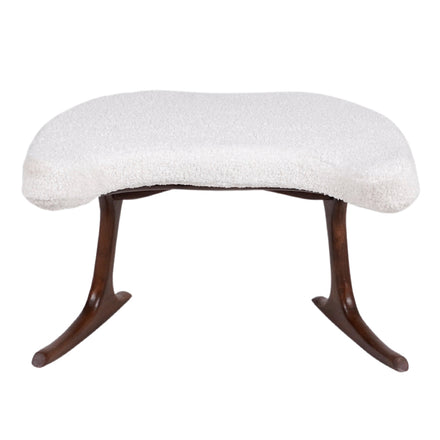
HoM meditation chairs use curved rocking legs, a defining feature of our designs that follows small, natural shifts while you sit. The folding Self Shelf is especially useful when the same corner serves several purposes. Its legs fold beneath the seat for storage or travel, and the chair opens to a 9-inch sitting height.
Before sitting, place the Self Shelf on a level surface and make sure both legs are fully opened and secure. Leave enough clearance for the rocking base, and do not position it where someone could trip over it. When practice is finished, fold it and store it where the wood and cushion will stay dry.

If the seat can remain in place, the Bodhi offers a 12-inch sitting height and a more permanent presence. Neither option has to make the room feel like a meditation studio. Both are pieces of furniture designed to live naturally beside books, plants, and the things already in your home.
A table that nests
A small surface gives you somewhere to place a timer, book, tea, flowers, or one meaningful object. It also helps define the corner without adding a wall or screen. Choose a table that feels proportionate to your seat and leaves open floor space around it.
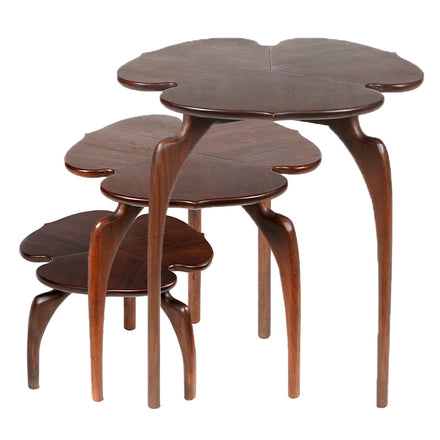
Nestack tables can separate when you need an extra surface and nest together again when you want the footprint back. Keep the full set compact beside the wall, or pull out one table for practice and return it afterward. The graduated heights also make the tables useful for ordinary living-room tasks, so the corner does not need furniture that sits unused for most of the day.
A table does not need to hold many objects. A lamp and a small bowl may be enough. If you want a personal focal point, our meditation altar guide explains how to choose meaningful items without crowding the surface. For more arrangements beyond meditation, see eight ways to use nesting tables.
Light and sound
Gentle, reliable light matters more than dramatic atmosphere. Daylight from the side is often comfortable, while direct light in your eyes can become distracting. In the evening, use a shaded lamp that gives enough light to enter and leave the corner safely. A small rechargeable lamp can work when there is no nearby outlet.
If the room is shared, sound may need more attention than decoration. A rug, curtains, and upholstered furniture can soften a lively room. Earplugs or simple headphones may help when quiet is not possible, though it is important to remain aware of children, cooking, alarms, or anything else that needs attention.
Candles and incense are optional, not necessary. In a small room, fragrance and smoke can linger. Keep any flame away from wood, cushions, curtains, and walking paths, and never leave it unattended. A flameless candle or warm lamp can mark the beginning of practice without adding heat or smoke.
Five meditation corner layouts
1. A bedroom window corner
Place a low seat beside—not directly in front of—the window so you can use natural light without blocking curtains or a radiator. Set one small table on the open side for a timer and water. If the room feels busy, turn the seat toward a plain wall rather than toward the bed or closet.
This layout works best when the seat can remain out. If floor space is tight, use the Self Shelf and fold it after practice. Keep the area clear of laundry, charging cords, and anything that turns the corner into temporary storage.
2. A living-room corner that resets
Use furniture that already belongs in the room. Nestack can serve as an everyday side table, while one smaller table can move beside your seat during meditation. A folding seat can store in a nearby closet or beneath a console when guests need the floor space.
A rug can mark the area without separating it from the rest of the room. Keep the setup visually simple: one lamp, one table, and one seat. The room returns to ordinary use in a minute or two.
3. A shared bedroom or guest-room corner
Collect a few practice items on a tray rather than leaving them spread across a shared surface. Bring the tray to a dresser, low table, or sturdy shelf when it is time to sit, then put it away afterward. This creates a recognizable ritual without claiming permanent space.
Agree on when the corner will be used and keep alarms, sound, and fragrance considerate. A compact lamp is usually easier to share than candles or incense.
4. A studio apartment corner
Choose one edge of the main room that can change roles throughout the day. A nesting table can hold coffee in the morning, a laptop in the afternoon, and a book or bell during practice. A Self Shelf can fold away when the same floor area is needed for meals, exercise, or visitors.
Avoid building a display that makes the corner difficult to reset. The more uses a room has, the more helpful it is to keep each object easy to move with one hand.
5. A quiet alcove or landing
An alcove can make a calm sitting place when it is wide enough to enter and leave easily. A landing may also work, but only if the setup does not narrow a stairway, block a railing, or interfere with an exit. Safety and access come before the appearance of the corner.
Use the smallest practical setup: one seat and perhaps a wall-mounted light. Skip floor objects that are difficult to see at night. If the space is part of a regular walking route, choose another corner rather than relying on everyone to step around the furniture.
| Layout | What stays out | What can pack away |
|---|---|---|
| Bedroom window | Small table or lamp | Folding seat |
| Living-room corner | Nested tables and rug | Seat and practice tray |
| Shared or guest room | Existing dresser or shelf | Tray, lamp, and seat |
| Studio apartment | Multi-use nesting table | Folding seat and personal items |
| Alcove | Wall light, if needed | Everything on the floor |
Keep the corner easy to return to
A meditation corner works when it removes decisions. Keep the seat where you can reach it, the light ready, and the surface mostly clear. Dust the table, wash cushion covers according to their care instructions, and return books or cups after use. If the area gradually becomes a place for unopened mail or spare clothes, reset it rather than adding more storage.
The corner does not have to look finished. It only has to make the next quiet moment easier to begin. Start with a seat and five clear minutes. Add a table, light, or personal object only when it serves the way you actually practice.
Frequently asked questions
How much room do I need for a meditation corner?
You need enough space to sit, change position, and stand without striking furniture. Measure the seat at its widest point, then leave comfortable clearance around it. A rocking chair also needs room for its base to move gently.
Can I make a meditation corner in a shared room?
Yes. Use furniture with another everyday purpose, keep personal items on a portable tray, and choose light and sound that do not disturb anyone else. A corner that resets easily can work better than a permanent display.
What should be in a meditation corner?
Begin with a comfortable seat. Add a small table or lamp only if it helps. A timer, book, flower, photograph, or other meaningful object can be useful, but none is required.
Does a meditation corner need a cushion?
No. You can use a cushion, a low meditation chair, a bench, or a standard chair. Choose the height and support that let you sit without forcing your knees, hips, or back into a painful position.
How do I keep a small meditation corner uncluttered?
Limit the setup to items you use, store extras in a tray or drawer, and choose furniture that nests or folds. Reset the space after each session so it is ready the next time you return.
Explore HoM meditation chairs for comfortable, elevated cross-legged seating.