Meditation Chair Guide: Benefits, Types & How to Choose

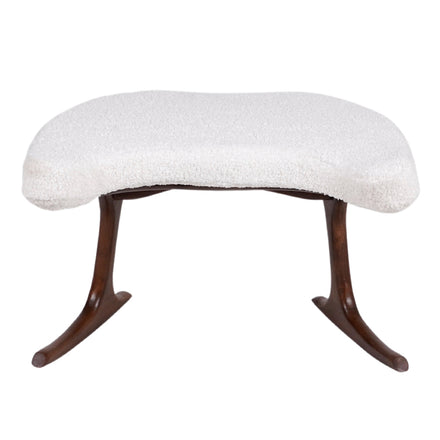
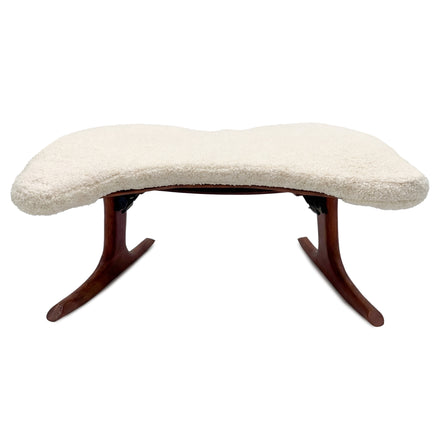
A meditation chair is a low, supportive seat that lifts your hips above your knees so your pelvis can tip forward and your spine can rest upright. Compared with a floor cushion or kneeling bench, it offers more structure, less pressure on folded joints, and a steadier base for longer practice.
What is a meditation chair?
A meditation chair is purpose-built for upright, relaxed sitting during meditation, breathwork, reading, or quiet work. Unlike a conventional chair, it keeps you close to the floor while supporting a neutral spine and open hips. The goal is not to hold you rigidly; it is to remove enough physical strain that posture stops demanding your attention.
A meditation chair is not a recliner or office chair. It supports alert stillness, usually in a cross-legged or gently perched position. Many people use one because sitting directly on the floor makes the pelvis roll backward, the lower back round, or the knees and hips feel compressed.

How does a meditation chair compare with a cushion or bench?
Each option supports a different posture. A cushion is compact and traditional but asks more of your hip mobility. A seiza bench supports kneeling and can relieve ankle pressure, although it still places weight through the knees and shins. A low meditation chair supports the pelvis from beneath and leaves more room for the legs.
| Seat type | Primary posture | Best suited to | Main consideration |
|---|---|---|---|
| Floor cushion | Cross-legged | Flexible hips and shorter sits | Less structure; knees may remain high |
| Seiza bench | Kneeling | People comfortable on their shins | Can increase pressure through knees |
| Low meditation chair | Cross-legged or open-leg sitting | Longer practice and bodies wanting more support | Larger and more considered than a cushion |

What are the benefits of using a meditation chair?
Good elevation can help the pelvis tip forward, support the natural curve of the lower back, and reduce the effort required to remain upright. When the body feels stable, there is often less fidgeting and less attention pulled toward pressure in the hips, knees, or back.
Comfort is not the destination of meditation, but it can make a regular practice easier to sustain. A supportive seat gives the body a quiet foundation so attention can return to breath, awareness, and whatever form of practice you choose.

Who may benefit from a meditation chair?
A meditation chair can be useful for beginners who find floor sitting distracting, experienced practitioners who sit for longer periods, and anyone whose hips or knees prefer more space than a cushion provides. It may also help people who want a grounded seat for reading, journaling, or quiet work.
If sitting causes persistent or sharp pain, stop and speak with a qualified healthcare professional. A supportive chair can change height and pressure, but it is not a treatment or a substitute for individualized medical advice.

What should you look for in a meditation chair?
- Useful height. Your hips should rest slightly above your knees rather than sinking below them.
- Stable construction. A steady base lets the body relax instead of bracing against wobble.
- Room for your legs. An open front and generous width make it easier to vary your position.
- A supportive seat shape. Gentle contouring should support the pelvis without locking it in place.
- Materials you want to live with. A seat that feels at home in the room is more likely to stay visible and become part of a daily ritual.
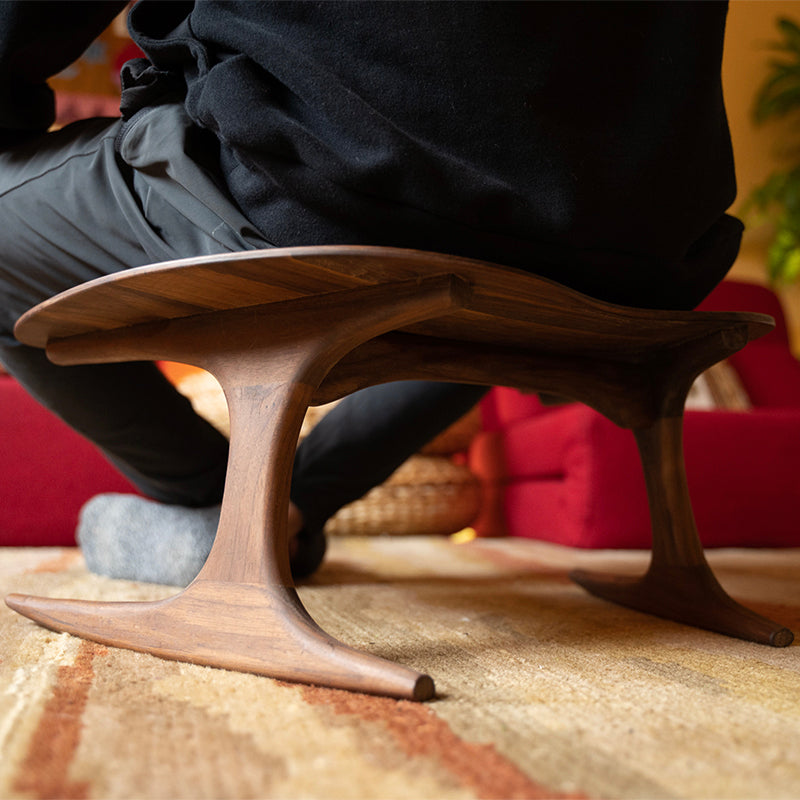
HoM meditation chairs are handcrafted from solid Acacia hardwood and designed around different uses. The Bodhi is a permanent 12-inch seat for home practice, while the 9-inch Self Shelf folds flat for travel and storage. Every HoM meditation chair has rocking legs, a defining feature that allows subtle positioning while keeping the seat grounded.
How do you choose the right meditation chair?
Start with your body and the way you actually sit. Notice whether you prefer cross-legged or open-leg positions, whether your knees are comfortable close to the floor, and how easily you can rise afterward. Then consider where the chair will live, whether it needs to fold or stack, and how long you typically practice.
The best meditation chair is not the one with the longest feature list. It is the one that gives you a stable, comfortable posture you can return to without negotiation. Explore the full HoM meditation chair collection to compare heights, forms, and uses.
Why do materials and craftsmanship matter?
A meditation seat is furniture you may touch and use every day. Look beyond the photograph: consider the quality of the joinery, the finish, and how the seat feels beneath you. Solid wood brings natural variation in grain and color, so each piece has its own character.
At HoM, we choose solid Acacia for its strength, varied grain, and warm appearance. Our seats are designed and prototyped near Ashland, Oregon, with attention to the relationship between seat height, contour, and the shape of the legs. Materials are one part of that design; the chair still needs to suit your body and the way you sit. Our guide to Acacia wood explains its character, durability, and care.
How should a meditation chair fit your space and routine?
Think about where you will practice and what happens when you finish. A seat you enjoy leaving in view can make a quiet corner feel intentional and offer a simple reminder to pause. In a small room, check the chair's footprint and leave enough space around it for your legs and for getting up comfortably.
Choose a permanent seat if you want a dedicated place at home, or a folding design if you need to store it between sessions or take it to a retreat. The Bodhi is a permanent home seat, while the Self Shelf folds for travel and storage. Neither choice requires a separate meditation room: what matters is finding a setup you can use comfortably and return to regularly.
Meditation chair FAQ
Is a meditation chair better than a cushion?
It depends on your body. A cushion is simple and portable, but a meditation chair provides more elevation and structure. People with tight hips, sensitive knees, or longer sessions often prefer the added support of a chair.
What height should a meditation chair be?
The right height places your hips a little above your knees while your feet and legs can relax. HoM seats range from about 9 to 12 inches so you can choose a lower travel-friendly position or a higher permanent seat.
Can you sit cross-legged on a meditation chair?
Yes. HoM chairs are designed to leave the front open so your legs can rest naturally in a cross-legged or relaxed open position without being forced beneath the seat.
Do meditation chairs need back support?
Not necessarily. A seat that supports pelvic position can help the spine balance upright without a backrest. People who medically require back support should follow guidance from their healthcare professional.
Can a meditation chair help with knee or hip discomfort?
Raising the hips can reduce how deeply the knees and hips must fold, which many people find more comfortable. It should never be used to push through pain; adjust your position or seek professional advice if discomfort persists.

Explore HoM meditation chairs for comfortable, elevated cross-legged seating.