How to Use a Meditation Cushion (and When a Chair Works Better)
A meditation cushion can make floor sitting feel more natural by raising the hips above the ankles and giving the pelvis a firmer place to rest. The goal is not to force a perfect pose. It is to find enough height and support that you can sit upright without bracing, slumping, or ignoring discomfort.
A cushion is a simple tool, and for many people it is all they need. For others, the floor remains too low or getting up and down is the hardest part. In that case, a raised meditation chair may be the more practical choice.
Zafu and zabuton basics
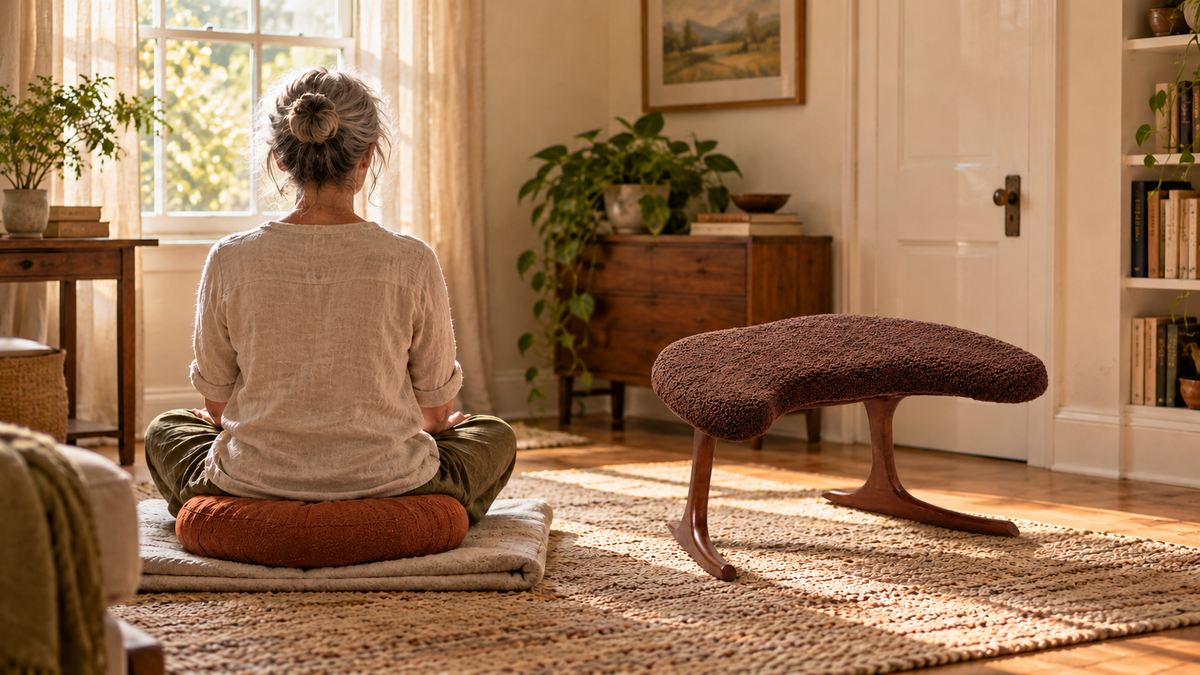
A zafu is the firm cushion that supports the pelvis. Traditional versions are round, although crescent and rectangular cushions work on the same basic principle. A zabuton is the larger, flatter mat underneath. It does not add much seat height; it softens contact beneath the knees, ankles, and feet.
You do not need both to begin. A firm cushion on a rug or folded blanket may be enough. What matters is that the seat does not collapse completely beneath you and that the surface under your legs is not painfully hard.
How to sit on a meditation cushion
1. Put the cushion on a stable surface
Use a rug, mat, or folded blanket on a level floor. A soft bed or deep sofa can make the body sink unevenly and may leave you working to stay upright.
2. Sit toward the front of the cushion
Place the sitting bones near the forward third of the cushion instead of directly in its center. This gives the pelvis room to tip slightly forward without exaggerating the curve in the lower back. Let your weight settle before arranging the legs.
3. Choose a leg position you do not have to force
An easy cross-legged position is enough. One shin can rest in front of the other, or the legs can form a loose cross without pulling the feet tightly toward the body. You can also kneel with the cushion placed between the heels if that is comfortable for your knees and ankles. There is no need to work toward lotus posture.
4. Let the knees descend naturally
If the knees remain much higher than the hips, add height or place folded blankets beneath them. Do not push the knees down with your hands. The cushion should create a stable base while the legs rest rather than strain.
5. Stack the body without becoming rigid
Allow the head to balance over the ribs and the ribs over the pelvis. Keep the shoulders easy, the hands supported, and the chin level. Upright does not mean stiff. The NHS describes the useful combination simply: comfortable and upright.
6. Change position when your body asks
Switch which shin is in front, extend a leg, kneel, or move to a chair. Tingling, numbness, pinching, or increasing pain are signals to change the setup, not tests of commitment. Guidance from Guy's and St Thomas' NHS Foundation Trust similarly recommends stopping an exercise that is painful or uncomfortable and speaking with a clinician or instructor when needed.
Common meditation-cushion problems
Your legs become numb
Move as soon as you notice persistent tingling or numbness. Uncross the legs, change sides, or stand for a moment. A higher cushion can create more space at the hips, while a softer mat can reduce pressure beneath the ankles. If numbness is frequent, prolonged, or accompanied by pain, discuss it with a qualified health professional.
You keep slumping forward
The cushion may be too low, too soft, or positioned too far behind you. Try sitting closer to its front edge or adding a folded blanket for height. Also notice whether you are reaching for a phone, book, or low screen; the object in front of you can pull the whole posture forward.
Your knees hover or feel strained
Do not force them toward the floor. Raise the pelvis and support each knee with a folded blanket or small cushion. If the position still feels strained, use a chair or extend the legs rather than holding the discomfort.
Your ankles press into the floor
Add a mat or folded blanket beneath the lower legs. A zabuton is useful here because it spreads softness across the whole sitting area instead of creating another small mound beneath one joint.
Getting down or standing up is difficult
Place the cushion near a stable support, or choose a higher seat. Floor sitting is not a requirement for meditation. A setup that makes entry and exit stressful can take attention away from the practice before it begins.
When a meditation chair works better
A cushion is compact, affordable, and easy to store. A meditation chair becomes useful when you want more elevation, a clearer sitting surface, and an easier transition between the floor and standing.
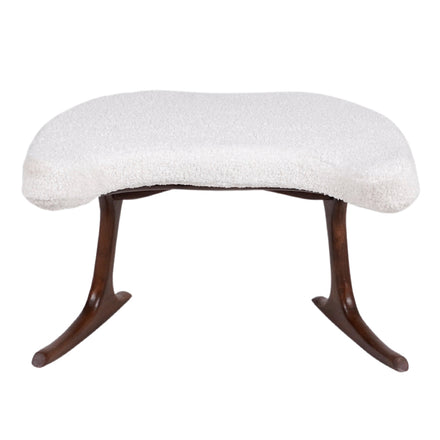
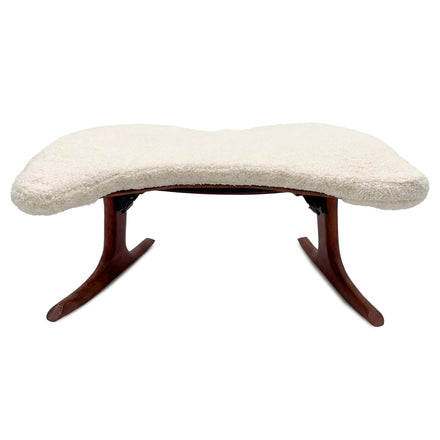
I designed HoM meditation chairs for people who enjoy the steadiness of floor sitting but need more height than a cushion provides. Every HoM meditation chair also has gently rocking legs. The movement is subtle, allowing small shifts without turning the seat into a conventional rocking chair.
A chair may be the better choice when:
- your knees remain well above your hips even on a firm cushion;
- the ankles or feet feel crowded beneath a low seat;
- getting down to a cushion or standing from it is the main obstacle;
- you want a dedicated seat that stays ready in the room; or
- you prefer a little natural movement instead of a completely fixed base.
Meditation cushion vs. meditation chair
| Option | Best for | What to consider |
|---|---|---|
| Firm meditation cushion | Portable, low-cost support for flexible floor sitters | May still be too low; knees and ankles need a soft surface |
| Cushion with zabuton | More comfort beneath the knees, ankles, and feet | Takes up more floor space and remains close to the ground |
| Meditation bench | Kneeling without placing full weight on the heels | Still asks the knees and ankles to tolerate a kneeling position |
| Raised meditation chair | More height, easier entry and exit, and a defined sitting place | Larger and less portable than a cushion |
Choosing a HoM seat after a cushion
The Bodhi is the most elevated option at 12 inches and works well as a permanent seat at home. The folding Self Shelf sits lower and packs flat for storage or travel. Both let you select a cushion color as part of the chair, rather than treating the cushion as a separate standalone product.
If the question is less about equipment and more about why a posture feels difficult, read Is Sitting Cross-Legged Bad for You? and our guide to knee or hip pain while sitting cross-legged.
The right seat is the one you can forget about
A meditation cushion should support the practice without becoming the practice. Begin with a firm seat, a protected floor, and a leg position you can change easily. If you are continually rebuilding the setup, bracing against discomfort, or worrying about standing afterward, choose more height.
Meditation can happen on a cushion, a chair, or a simple household seat. The useful choice is the one that lets you settle in without asking the body to prove anything.
Frequently asked questions
How high should a meditation cushion be?
There is no universal height. Use enough lift that the pelvis feels stable and the knees can rest without being forced. People with tighter hips often prefer more height than people who already sit comfortably close to the floor.
Do I need a zabuton under my cushion?
No. A rug, yoga mat, or folded blanket can protect the knees and ankles. A zabuton is convenient when you want one padded area beneath the entire posture.
Should I sit in lotus position to meditate?
No. An easy cross-legged position, kneeling, or sitting in a chair can all support meditation. Do not force a leg position because it looks traditional.
Is a cushion or chair better for bad knees?
It depends on the person and the cause of the discomfort. A cushion may reduce strain by raising the hips, while a chair may make getting down, standing up, and changing position easier. Stop if a setup causes pain and seek individualized guidance for an injury or persistent symptoms.
Sources
Explore HoM meditation chairs for comfortable, elevated cross-legged seating.