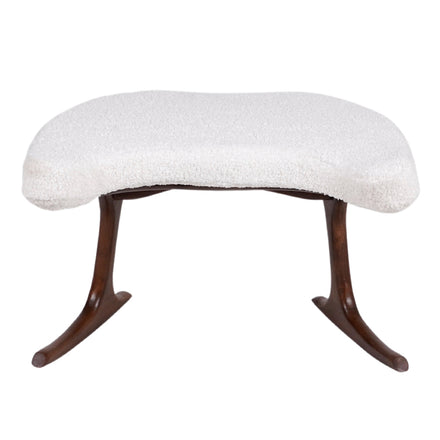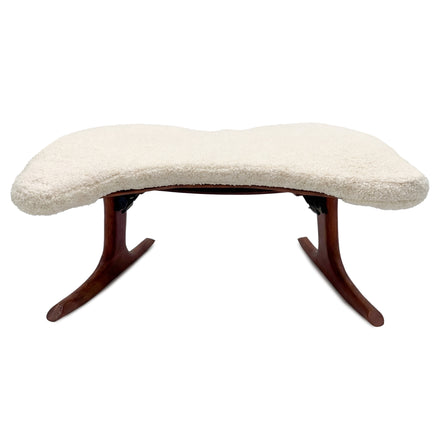
Can’t Sit Cross-Legged in Your Office Chair? Why a Floor Seat Might Help
Many people fold one or both legs onto their office chair without thinking about it. The position can feel contained, relaxed, and easier on the feet than sitting with both legs hanging down. The trouble is that most desk chairs are not shaped for it. Narrow seat pans, fixed arms, and raised edges can crowd the hips and press into the ankles.
A chair made for sitting cross-legged creates more room, but it does not solve every part of the problem. The better goal is not to find one perfect posture and hold it all day. It is to give your body a few comfortable positions to move between.
Why do people sit cross-legged at their desk?
Cross-legged sitting can make a large chair feel more secure. It brings the feet onto a supported surface, changes pressure at the back of the thighs, and gives restless legs somewhere to go. For some people, especially during reading, planning, or a video call, the position simply feels more natural than keeping both feet planted.
That preference is not automatically a problem. What matters is whether you can sit without forcing your knees, rounding your lower back, or leaning toward the screen. If the position causes numbness, pinching, or increasing pain, change positions. Our guide to sitting cross-legged comfortably explains how hip mobility, pelvic position, and seat height can affect the experience.
What cross-legged office chairs get right
A purpose-built cross-legged office chair usually offers a wider seat, more usable depth, and fewer obstacles around the knees. Those changes can make it easier to fold one leg in, sit with both legs crossed, or shift between positions without fighting the chair.
That extra room is useful. A study of office workers found that encouraging postural variety reduced discomfort without reducing productivity. The point was not that one posture was best; it was that movement between postures mattered.
A good chair for sitting cross-legged should still let you:
- change positions without catching your knees on fixed arms;
- sit normally with your feet supported when you want to;
- keep the keyboard and screen at a workable height;
- avoid hard pressure under the ankles and outer knees; and
- stand up easily when it is time to move.
Where cross-legged office chairs can fall short
More seat space does not make prolonged sitting harmless. A wide chair can still encourage you to stay in one position too long, and an oversized seat can make the backrest less useful. Some designs also place a second platform under the main seat. That may support the legs, but it can limit how close you pull up to the desk.
For sustained keyboard and mouse work, a conventional adjustable task chair remains useful. OSHA's computer-workstation guidance emphasizes a supported back, relaxed shoulders, neutral wrists, suitable screen height, and regular changes of position. A cross-legged chair should not make you trade those basics for a novel sitting shape.
Think of any chair as one part of the workstation. If your screen is too low or your keyboard is too far away, a wider seat will not prevent you from hunching.
Why a floor seat can be a useful alternative
A low floor seat changes the relationship between your hips, knees, and workspace more than a wider office chair does. Rather than squeezing a floor posture into a desk-height seat, it creates a separate place for it.
That distinction is important. A HoM meditation chair is not meant to replace an adjustable office chair for an eight-hour computer day. It works best as a second setting for tasks that do not require constant mouse and keyboard use: reading, sketching, reviewing notes, taking a quiet call, or stepping away from the main desk for a short focus period.
The seat raises your hips above the floor so the legs have more room to settle. Every HoM meditation chair also rests on gently rocking legs, allowing small shifts instead of holding the body completely still. The movement is subtle; it is not a rocking chair and it is not a medical treatment. It simply makes a low sitting position feel less fixed.
How to mix floor sitting into a workday
Choose the right task
Use the low seat for work that lets your upper body stay relaxed. Reading a printed document, thinking through a project, journaling, or listening during a call are better fits than hours of detailed spreadsheet work.
Bring the work to your height
Do not place a laptop on the floor and fold over it. Use a stable low table, raise the screen, or pair a separate keyboard with a screen positioned closer to eye level. Keep frequently used items within easy reach so you are not repeatedly twisting or leaning.
Start with a short interval
Try ten or fifteen minutes, then stand and notice how your knees, hips, and back feel. You do not need to remain cross-legged. Extend one leg, switch which shin is in front, or place both feet differently whenever the position begins to feel stale.
Make getting up straightforward
Place the seat near a stable surface if you prefer a handhold when standing. If getting down to or up from the floor is uncomfortable, a low seat may not be the right option for that day. Choose a supportive chair instead.
Keep the main desk setup intact
Your regular chair and desk should still support focused computer work. OSHA recommends varying work tasks, changing position, and taking brief movement breaks rather than relying on a single static posture.
Office-chair and floor-seat options compared
| Seat | Best use | What to watch |
|---|---|---|
| Adjustable task chair | Longer keyboard and mouse sessions | Easy to remain still for too long |
| Wide cross-legged office chair | Switching between standard and folded-leg sitting at a desk | Seat depth, arm placement, and desk clearance |
| Standing setup | Short work intervals and position changes | Standing is also tiring when held too long |
| Low floor seat | Reading, planning, calls, and quiet focus breaks | Screen height and ease of getting up |
Which HoM seat works near a home office?
The Bodhi meditation chair is the more permanent choice. Its 12-inch seat height creates a defined low-sitting place in a home office, reading corner, or living room. It works well when you want the floor-level setup to remain ready.
The folding Self Shelf sits lower and packs flat, so it can be brought out for a focus break and stored when the room needs to return to another use. Both designs use the same gently rocking leg idea and support a cushion selected separately by color.
If knee or hip discomfort is what led you to search for a different chair, read our practical guide to knee and hip pain while sitting cross-legged before extending the time you spend in any folded-leg posture.
A floor seat is another option, not the only option
The best chair for sitting cross-legged may be a wide office chair for your desk. It may also be a low seat used away from the desk for part of the day. These are not competing answers. They serve different tasks.
Keep the supportive workstation for computer-heavy work. Add the floor seat when you want a deliberate change of height, a quieter place to think, or a short break from the posture you have been holding. Comfort usually comes less from finding one perfect position than from having a few good ones available.
Frequently asked questions
Is sitting cross-legged in an office chair bad?
Not necessarily. It becomes a concern when the chair crowds your knees, you lose back support, your foot or leg becomes numb, or the position causes pain. Change positions regularly rather than treating any posture as an all-day solution.
Can I use a meditation chair at a normal desk?
Usually not comfortably. A normal desk is designed for a standard chair height. Use a low table or a separate floor-level work surface, and keep the screen high enough that you are not folding your neck and back forward.
How long should I sit on a floor seat while working?
There is no single correct time. Start with a short interval, change leg position as needed, and stand before discomfort builds. Your comfort, mobility, and the task matter more than a timer.
Should I choose the Bodhi or the Self Shelf for a home office?
Choose the Bodhi for a permanent low-sitting corner and the Self Shelf when portability and compact storage matter more. Neither is intended to replace a fully adjustable office chair for sustained computer work.
Sources
- OSHA: Good Working Positions
- OSHA: Work Process and Breaks
- Postural variability and discomfort in office work
Explore HoM meditation chairs for comfortable, elevated cross-legged seating.