Cross-Legged Seating: Why Sitting on the Floor Feels So Good (and How to Do It Comfortably)

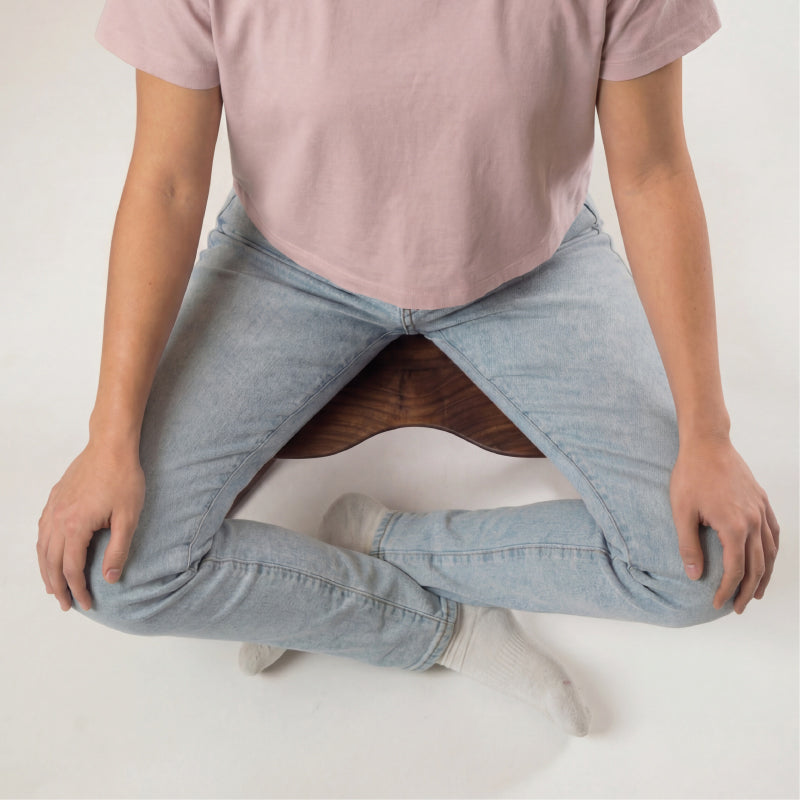
To sit cross-legged comfortably, raise your hips slightly above your knees, let the pelvis tip forward, and support any knee or ankle that does not reach the floor. Keep the spine tall but relaxed, switch which leg rests in front, and choose a stable surface that does not make your body brace.
Cross-legged sitting can feel grounding because it lowers the center of gravity and creates a broad base. The posture appears in meditation traditions, reading nooks, and everyday floor living around the world. When it becomes uncomfortable, the problem is often not the posture itself but the height, angle, or support beneath the pelvis.
Why can cross-legged sitting feel grounding?
Sitting low creates a wide base and brings the body close to the floor. With the pelvis supported, the spine can lengthen, the chest can stay open, and breathing can feel less constrained. Many people experience that physical steadiness as a quieter, more settled state of mind.
The posture does not need to look perfectly symmetrical. Comfort and stability matter more than forcing both knees to the same height or pulling the feet close to the body.
Why does sitting cross-legged sometimes hurt?
When you sit flat on a hard floor, limited hip rotation can cause the pelvis to roll backward. The lower spine rounds, the shoulders move forward, and the back muscles work harder to keep you upright. A knee that hangs above the floor may also carry tension from the hip, while pressure at the ankles can cause numbness.
Elevation is often the most useful adjustment. Lifting the hips a few inches above the knees can create room at the hip joints and restore the natural curve of the lower back. Flexibility may improve over time, but you should not force the knees down or push through sharp pain.
How do you sit cross-legged comfortably step by step?
- Choose a stable surface. Use a firm cushion, folded blanket, or supportive low seat on a non-slip rug.
- Raise the hips. Add enough height that the pelvis can tip slightly forward and the knees rest at or below hip level.
- Cross the legs loosely. Let the feet rest in front of one another rather than pulling them tightly beneath the thighs.
- Support any gaps. Place a folded blanket beneath a knee or ankle that feels suspended.
- Stack the spine gently. Let the crown of the head rise while the shoulders and jaw stay soft.
- Switch sides. Alternate which shin or foot rests in front so one hip does not always take the same position.
- Come out slowly. Unfold one leg at a time and pause before standing, especially after a longer sit.
What if you cannot sit cross-legged?
You do not need to sit cross-legged to meditate. Try an open-leg position with the feet resting forward, a kneeling posture if your knees tolerate it, a conventional chair with both feet on the floor, standing meditation, or lying down. The purpose is a stable, alert posture—not a particular silhouette.
If one side is tighter, use more support and reduce the depth of the fold rather than trying to make both sides match. Persistent pain, tingling, or numbness should be evaluated by a qualified healthcare professional.
Can you use cross-legged seating beyond meditation?
Yes. Many people sit cross-legged to read, journal, work at a low table, play with children, or simply relax closer to the floor. The same principles apply: stable elevation, room for the knees, and a position you can change before discomfort builds.
A supportive low seat can become a versatile part of the home rather than equipment that appears only during meditation. Keeping it visible also makes a short daily practice easier to begin.

How does a meditation chair support cross-legged sitting?
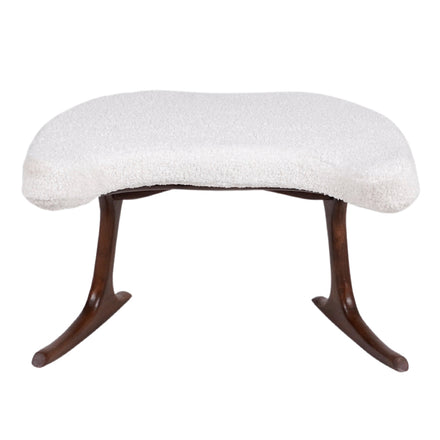
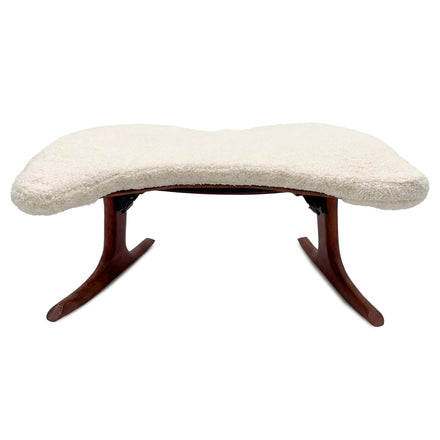
A well-designed meditation chair combines the grounded feeling of floor seating with enough elevation for the pelvis to move freely. An open front leaves room for the legs, while a firm seat and stable frame keep the body from bracing against a shifting surface.
HoM meditation chairs are handcrafted from solid Acacia hardwood and built with rocking legs, a key feature of the design. The Bodhi offers a 12-inch seat for a permanent place at home; the 9-inch Self Shelf folds flat for storage or travel.
Cross-legged sitting FAQ
Is sitting cross-legged bad for your knees?
Not automatically, but forcing the knees downward or staying too long in a painful position can create strain. Raise the hips, support the knees if needed, and stop if pain increases.
Why do my legs go numb when I sit cross-legged?
Pressure and reduced circulation can cause temporary numbness. Change position, use more elevation, and avoid sitting through persistent tingling. Seek medical advice if numbness continues after you move.
Should your knees be below your hips?
For many people, having the knees at or slightly below hip level helps the pelvis tip forward and makes an upright spine easier. Your exact position will depend on body proportions and mobility.
How long should you sit cross-legged?
There is no ideal duration. Begin with a period that remains comfortable, change position before numbness or pain develops, and build time gradually.
Can older adults sit cross-legged?
Some can, especially with more elevation and support, while others are better served by an open-leg position or conventional chair. Choose the posture that respects your current mobility and balance.

Explore HoM meditation chairs for comfortable, elevated cross-legged seating.