Outdoor Meditation Space Ideas for a Backyard or Balcony
An outdoor meditation space can be as simple as one comfortable seat in a quiet patch of shade. You do not need a large garden, a permanent structure, or a carefully styled retreat. A balcony, covered porch, small patio, or sheltered corner of the yard can all become a place to sit for a few minutes.
The most useful setup is one you can return to without much preparation. Choose a stable surface, protect yourself from sun and weather, and keep the furniture easy to bring inside. Start with a seat and enough clear space around it. Plants, a small table, and other details can come later.
Choosing the right outdoor spot
Walk through your outdoor space at the time of day you are most likely to use it. Notice where the sun falls, which areas stay quiet, and whether the ground is level. The ideal morning corner may be too bright or hot in the afternoon, while a sheltered balcony may feel calm until traffic becomes busy below.
Look for a place that is easy to reach and easy to leave. Keep doorways, steps, railings, and walking paths clear. If you use a low seat, allow enough room to lower yourself and stand again without leaning on a planter, folding table, or unstable railing. A wall or sturdy fixed support nearby can be helpful, but it should not crowd the chair.
For a balcony, confirm that the surface is dry and even. Avoid placing a rocking seat across wide gaps, loose decking, or a sloped drain channel. In a yard, use a firm patio, deck, or level platform rather than soft soil or uneven gravel. A flat outdoor rug can make the area feel more defined, but it should not curl at the edges or hide an uneven surface.
Shade, temperature, and sound
Comfort outdoors changes with the weather. Shade from a roof, mature tree, umbrella, or shade cloth can make a sitting area usable for longer without turning it into an enclosed room. If you use an umbrella, choose a stable base and close it in strong wind. Do not rely on a lightweight umbrella or screen as something to hold while standing.
Morning and evening often offer gentler light and cooler temperatures. In warmer weather, keep water nearby and move indoors before heat becomes distracting. In cooler weather, use a layer you can remove easily rather than leaving blankets and cushions outside where they can collect moisture.
Outdoor sound does not have to disappear. Birds, distant traffic, wind in leaves, and neighborhood activity can all be part of the practice. Choose the quietest repeatable time rather than waiting for perfect silence. A fence, hedge, or row of planters can soften the feeling of exposure, but avoid blocking a shared walkway or creating a hidden corner that feels unsafe after dark.
A portable seat you bring inside
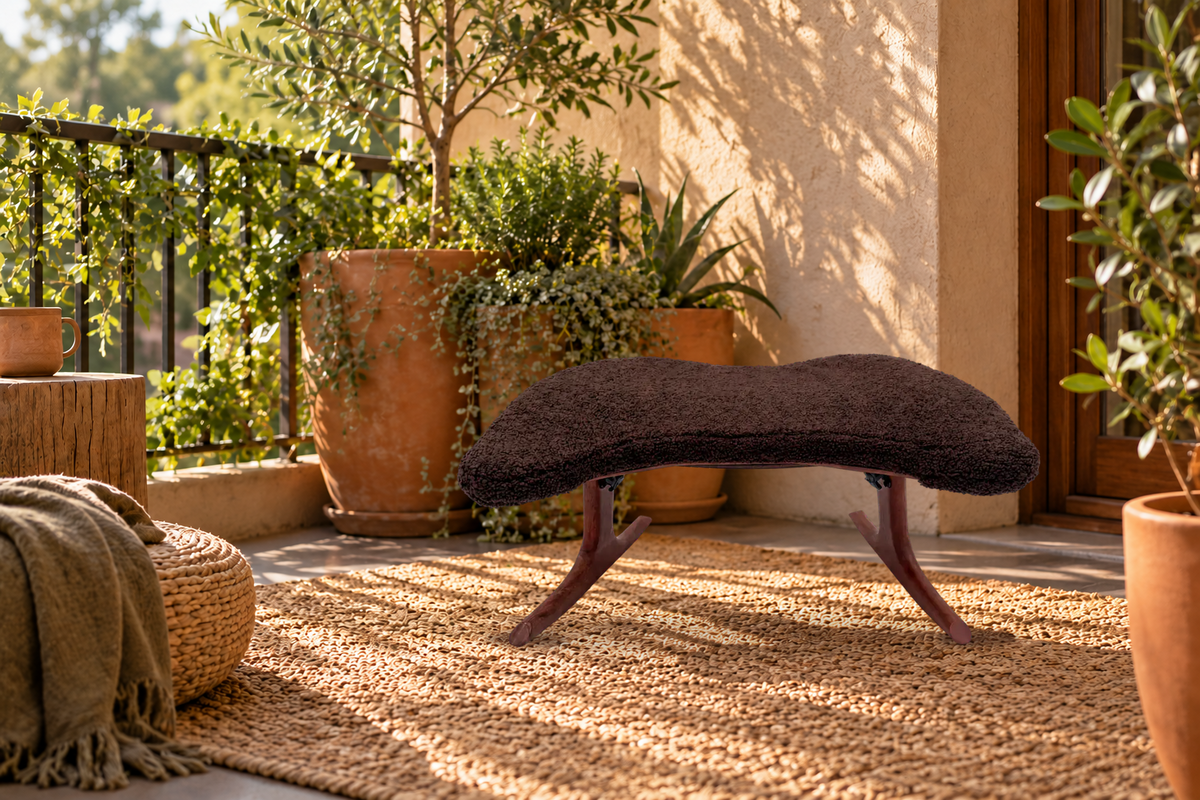
Outdoor meditation furniture does not need to live outdoors. In fact, furniture made from finished hardwood and upholstered fabric is best treated as indoor furniture that visits the patio, porch, or balcony for a session.
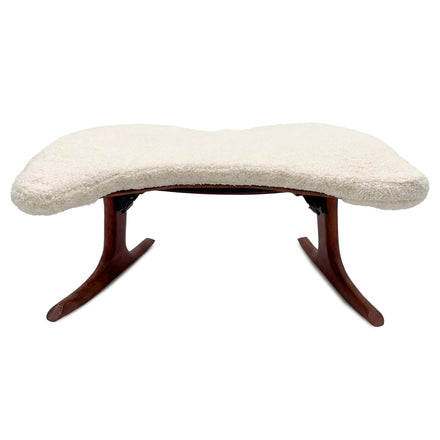
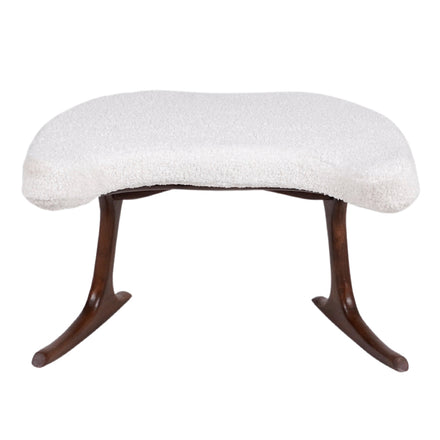
The folding Self Shelf meditation chair is especially useful for this kind of routine. It sits 9 inches high, folds flat, and can move from a closet or indoor corner to a sheltered outdoor space. Like every HoM meditation chair, it has gently rocking legs that follow small shifts in the body while you sit.
Open both legs fully and place the chair on a dry, level surface before sitting. Leave clear space around the rocking base. When you finish, brush away dirt or plant debris and bring the chair and cushion back inside. The Self Shelf is portable, but it is not outdoor furniture: do not leave it exposed to rain, irrigation, overnight moisture, or prolonged direct sun.
If you prefer a more permanent indoor practice seat, the Bodhi offers a 12-inch sitting height. It can be carried outdoors for occasional use, but its sculptural form is designed to live inside the home. You can compare all four designs in our meditation chair collection.
Simple plantings for a calmer corner
Plants can give a small meditation area a sense of boundary without adding walls. Choose a few varieties that already suit your climate, light, and level of care. A healthy rosemary plant or ornamental grass is more calming than a collection that needs constant rescue.
On a balcony, use containers that fit securely within the space and cannot tip in the wind. Keep heavy pots away from edges and do not overload rail-mounted planters. Leave enough room to water plants without dripping onto the chair, rug, or a neighbor's balcony.
In a backyard, existing shrubs or a small tree may already create the best setting. Native or climate-adapted plants often need less water once established and tend to feel at home in the landscape. Avoid thorny plants, aggressive vines, and anything that narrows the path to your seat.
A meditation corner does not need to become a garden project. One well-placed pot can be enough. Choose the view from the chair first, then add greenery only where it improves privacy, shade, or a sense of arrival.
Five outdoor meditation space ideas
1. A shaded apartment balcony
Place a portable seat against the more sheltered wall, leaving the railing and doorway clear. Add one medium-size plant and a small, stable surface for water or a timer. A narrow outdoor rug can define the area without filling the balcony.
Keep the setup light enough to reset quickly. Bring the chair, cushion, and textiles inside after use. If the balcony receives strong afternoon sun, plan for early morning practice instead of adding more objects to block the light.
2. A covered porch corner
A porch offers shade and a natural transition between indoors and outdoors. Choose the end with the least foot traffic and angle the chair toward the garden or an open view. A small side table can hold tea or a book when the space is not being used for meditation.
Covered does not mean weatherproof. Wind can carry rain beneath a roof, and morning moisture can settle on wood and fabric. Store the seat indoors and check that the floor is dry before each use.
3. A backyard tree-shade spot
Use a level patio or firm platform near a tree rather than placing furniture directly on roots or soft soil. Let the tree provide filtered light, but look overhead for loose branches and avoid sitting beneath it during strong wind.
A movable chair keeps the setup flexible as the shade changes through the season. One pot, a low table, or a flat mat can mark the area without competing with the landscape.
4. A small patio beside the garden
Turn the chair toward the garden rather than placing it in the middle of the planting area. This protects the path and gives you a clear view without requiring a decorative backdrop. Keep hoses, tools, and irrigation away from the sitting surface.
If the patio is shared with dining or entertaining, choose furniture that moves easily. The Self Shelf can fold away, while a small nesting table can return to its everyday place after practice.
5. An evening space near the door
For evening practice, stay near the house where the path is familiar and lighting is reliable. Use a warm wall light or a rechargeable lamp rather than open flame. Make sure steps, thresholds, and rug edges remain visible.
Keep the arrangement simple enough to carry inside in one trip. A seat, light, and light layer are usually sufficient. If insects, cold, or darkness make the space uncomfortable, move indoors rather than trying to recreate a full room outside.
What to include—and what to leave out
| Useful | Why it helps | Watch for |
|---|---|---|
| Portable seat | Creates a consistent place to sit and stores indoors | Dry, level ground and clear space for rocking legs |
| Shade | Makes the area more comfortable at the right time of day | Wind, shifting sun, and unstable umbrellas |
| One or two plants | Adds privacy and a natural focal point | Heavy pots, thorns, irrigation, and crowded paths |
| Small table | Holds water, a timer, or a book | Wobbling, excess clutter, and moisture on the surface |
| Simple lighting | Keeps evening entry and exit visible | Cords, glare, and open flame |
Skip anything that makes the space harder to use. Large displays, loose floor cushions, trailing cords, incense, and fragile objects can turn a small corner into something you have to manage. If you enjoy a focal point, keep it compact and bring it inside with the seat.
For a setup that stays indoors, see our guide to small meditation corner ideas. If you want a simple surface for a meaningful object, the meditation altar guide offers practical arrangements for shared rooms and small spaces.
Keep the routine easier than the setup
An outdoor meditation space should make sitting down feel easier, not give you another area to maintain. Store the seat near the door, choose one dependable time of day, and keep the path clear. On some days, carrying the chair outside may be part of the ritual. On others, weather or noise will make the indoor corner the better choice.
The space can change with the season. Follow the shade, move a plant, or use a different part of the patio. A simple setup stays useful because it can adapt without losing its purpose.
Frequently asked questions
Can I leave a wooden meditation chair outside?
No. HoM chairs are indoor furniture and should be brought inside after outdoor use. Rain, overnight moisture, irrigation, strong sun, and changing temperatures can damage wood, finish, hardware, and upholstery.
What is the best surface for an outdoor meditation chair?
Use a dry, level, firm surface such as a covered patio, stable deck, or flat balcony floor. Avoid soft soil, loose gravel, uneven pavers, and surfaces with gaps that can catch a rocking leg.
How can I make a balcony feel private for meditation?
Turn the seat toward a wall, plant, or open view rather than toward neighboring windows. A few stable containers or an appropriate balcony screen can soften the view, provided they do not block exits, airflow, or building-required access.
Do I need outdoor cushions?
No. You can carry your usual chair cushion outside for a short session and bring it back in afterward. Do not leave upholstered cushions outdoors where they can absorb moisture, pollen, or dirt.
What should I do when the weather changes?
Move inside. Strong wind, rain, excessive heat, smoke, poor air quality, or slippery surfaces are good reasons to use an indoor practice space instead. The goal is a dependable routine, not an outdoor setting at any cost.
Explore HoM meditation chairs for comfortable, elevated cross-legged seating.