Meditation Chair: How to Choose Your Sacred Seat
Finding the right meditation chair can quiet the mind by removing the distractions of physical discomfort. When our bodies feel grounded and supported, our awareness naturally shifts inward, allowing for a deeper and more restorative practice. At HoM Furnishings, we approach this search through the lens of mindful design, crafting solid-Acacia seats designed and prototyped in Ashland, Oregon, to elevate your daily ritual.
Understanding the Role of Ergonomics in Your Meditation Chair
A successful daily mindfulness practice relies heavily on how we position ourselves in space. A well-designed meditation chair should gently support the natural curves of your spine, encouraging an upright and alert posture without forcing rigidity. When your pelvis is slightly elevated and your knees are comfortably angled toward the floor, your body can settle into a state of physical ease. This natural alignment is key to staying present, as it minimizes the urge to fidget or constantly adjust your position during extended periods of quiet contemplation.
Finding a seat that offers the correct height and subtle tilt can significantly enhance your comfort levels. Instead of straining to maintain an upright position, a properly constructed seat acts as an extension of your body, distributing weight evenly and reducing fatigue in the lower back and hips. By inviting a sense of stability, the right support allows you to focus less on physical tension and more on the gentle rise and fall of your breath.

The Natural Stability and Character of Solid Acacia Wood
Wood has a grounding quality that artificial materials simply cannot replicate. In our design workshop, we choose solid Acacia for its remarkable density, strength, and rich, varied grain patterns. Each piece of wood tells a visual story, with warm tones and organic textures that bring a touch of the natural world indoors. This inherent durability ensures that your seat remains a steadfast companion throughout years of practice, never shifting, wobbling, or losing its structural integrity as you settle into stillness.
Beyond its visual warmth, solid Acacia offers a heavy, reassuring presence. A solid wood seat provides a firm foundation that connects you to the ground beneath you. This weightiness is both practical and symbolic, offering a physical anchor that mirrors the mental centering you seek during meditation. The smooth, hand-finished surfaces are delightful to the touch, reinforcing a connection to thoughtful, slow-paced craftsmanship every time you sit down to practice.

Designing with Intention in Ashland, Oregon
The creative process behind each HoM Furnishings seat begins in the quiet, inspiring landscape of Ashland, Oregon. Here, our designers and artisans prototype each piece with an emphasis on minimalist aesthetics and functional excellence. We believe that a meditation seat should not just be functional, but should also harmonize with your home. Our designs avoid unnecessary ornamentation, focusing instead on clean lines, balanced proportions, and joinery that respects the natural movement of the wood over time.
Prototyping in Ashland allows us to meticulously refine the angles, heights, and curves of every model before it reaches your home. We spend hours testing how different seating angles affect the alignment of the pelvis and spine, ensuring that the final design offers optimal support for various body types and sitting styles. This deliberate, slow-design philosophy ensures that every seat is as beautiful to look at as it is supportive to use, seamlessly blending into your living space as a permanent sanctuary.
Selecting the Right Seat for Your Practice Style
Every practitioner has unique physical needs and aesthetic preferences, meaning the ideal seat is highly personal. If you prefer a traditional cross-legged posture, a low-profile stool with a subtle forward tilt can help keep your spine aligned. For those who find sitting close to the floor challenging, a slightly elevated seat with a supportive backrest may help you sit more comfortably for longer durations. Taking the time to understand your body's flexibility and limitations will guide you toward a design that truly serves your practice.
It is also worth considering how the seat will fit into your daily life and home environment. A beautiful piece of handcrafted furniture does not need to be tucked away in a closet when your practice is finished. Instead, it can serve as a visual invitation to pause, sitting beautifully in a quiet corner of your living room, bedroom, or home studio. By choosing a design that complements your personal style and physical requirements, you create a dedicated space that honors your commitment to mindfulness.
Seats made for exactly this
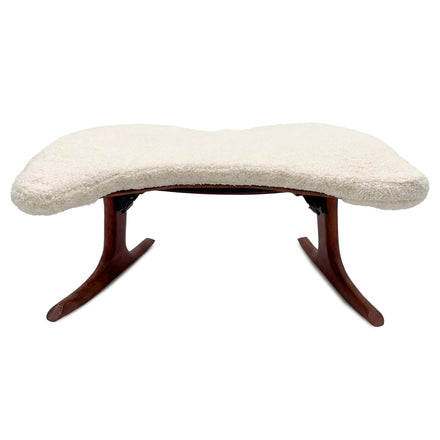
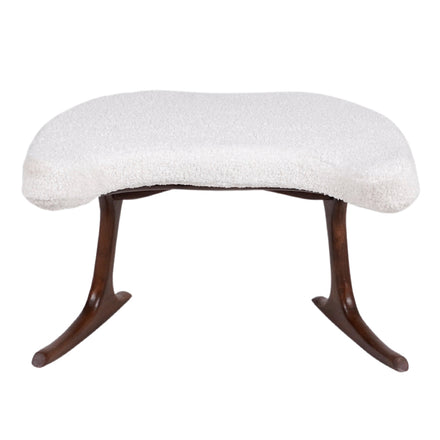
Every Bodhi - Personal Meditation Chair is handcrafted from solid Acacia hardwood and designed and prototyped in our Ashland, Oregon studio — low, supportive, and built to last through years of daily practice. Explore the full collection to find the seat that fits how you sit.
Frequently asked questions
What makes a solid-Acacia meditation chair special?
Solid Acacia is exceptionally dense and durable, providing a grounded, wobble-free foundation that lasts for years. Its rich, organic grain patterns and warm tones also bring a calming, natural beauty into your dedicated practice space.
Where are HoM Furnishings meditation seats designed?
Every one of our meditation seats is thoughtfully designed and prototyped in Ashland, Oregon. Our local design process focuses on perfecting the ergonomics and minimalist aesthetic of each piece before it is handcrafted.
How does a dedicated seat support mindfulness practice?
A dedicated seat supports an upright, natural posture, which may help you sit more comfortably by reducing physical distractions. Over time, returning to the same beautiful seat also creates a helpful sensory cue that prepares your mind for quiet reflection.
Can I use this meditation chair in a small home studio?
Yes, our seats are designed with clean, compact lines that fit beautifully into smaller spaces without overwhelming them. Their elegant, handcrafted appearance allows them to serve as a decorative accent even when not in use.