Why Yogis Sit Cross-Legged to Meditate
Picture a meditating yogi and you'll picture the same thing almost everyone does: seated on the floor, legs folded, spine tall, hands resting easily on the knees. That image is thousands of years old — and it has barely changed. Across yogic and Buddhist traditions, the cross-legged seat became the posture for going inward. The question is why. What made generations of practitioners choose to fold their legs beneath them rather than sit in a chair, kneel, or lie down?
The answer isn't mysticism. It's that the posture quietly solves several problems at once.

A seat that is both steady and at ease
The oldest yogic guidance on posture asks for two things at the same time: steadiness and comfort — a seat you can hold without strain, so the body stops asking for your attention and the mind is free to settle. Almost every other position fails one half of that test. Lying down is comfortable but invites sleep. Standing is alert but tiring. A chair can be either, depending on the chair. The cross-legged floor seat, done well, is the rare posture that is grounded and relaxed for long stretches.
The reasons the posture endured
It creates a stable, grounded base. With the legs folded and the knees settling toward the floor, the body forms a wide, low triangle — sit bones behind, knees ahead. That broad base is hard to tip. You feel rooted, literally close to the ground, which does something to the nervous system: settled bodies make for settled minds.
It lets the spine stack on its own. From a grounded pelvis, the spine can rise in its natural curve without you bracing to hold it. An upright spine keeps the chest open and the breath unhurried — and a tall, easy spine is the physical version of the alert-but-calm state meditation is after.
It keeps you awake without keeping you tense. This is the balance the posture is prized for. You're upright enough to stay present, but supported enough to stop fidgeting. The stillness of the shape becomes the stillness of the sit.
In the yogic view, it contains your energy. Traditionally, folding the legs and resting the hands in the lap or on the knees was understood to “seal” the body — to keep energy circulating inward rather than leaking outward. You don't have to hold that belief for the practical version to ring true: a closed, symmetrical posture simply feels more contained and self-directed than a sprawled one.
It belonged to a world that lived on the floor. For much of history and across many cultures, the floor was the chair. Sitting cross-legged wasn't a special skill — it was everyday life. The posture that became sacred started as the ordinary way people already sat, ate, and gathered.
Why it's harder than it looks today
Here's the part the ancient texts didn't have to reckon with: most of us now spend our days in chairs. Years of that leave the hips tight and the habit of floor-sitting long gone. So when a modern body tries to drop into a cross-legged seat, the knees float up above the hips, the pelvis tips backward, and the lower back rounds to compensate — and within a few minutes the legs are aching or asleep. The posture that's meant to free your attention ends up demanding all of it.
That's not a failure of willpower. It's simple mechanics: if your hips sit level with or below your knees, your spine has to round to stay balanced. The fix isn't to force the flexibility. It's to change the geometry.
How to sit cross-legged — comfortably
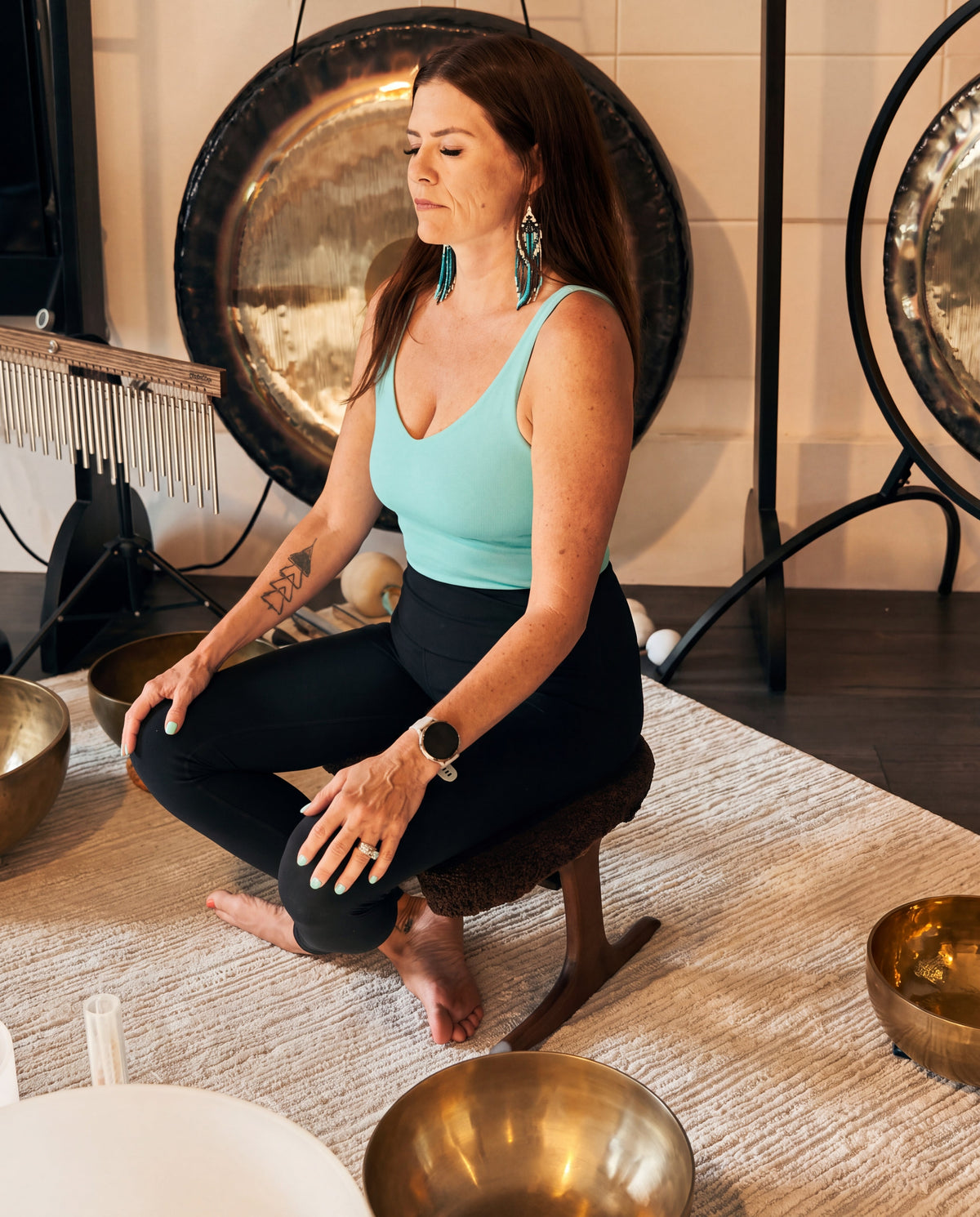
The trick practitioners have always known is to lift the hips above the knees. Elevate the pelvis even a few inches and everything downstream changes: the thighs slope gently down, the knees drop, the pelvis rolls forward, and the spine stacks tall without effort. You get the grounded, upright, contained feeling the yogis were after — minus the numb legs and the aching back.

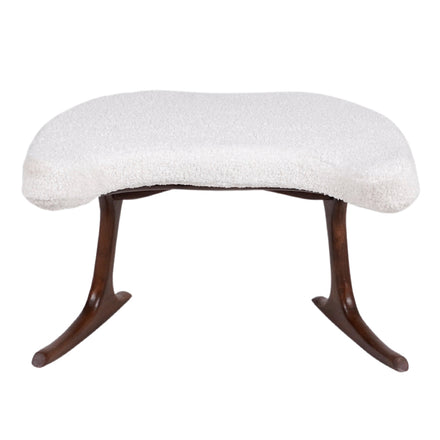
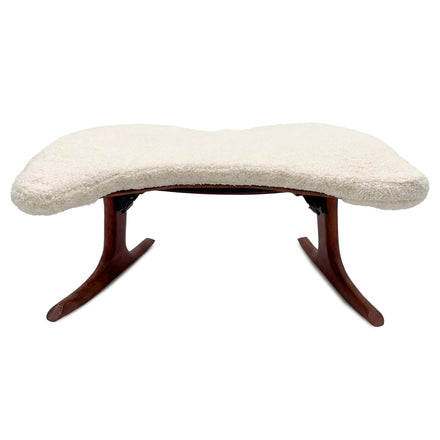
A meditation chair is built to do exactly that. HoM's seats are handcrafted from solid Acacia hardwood and sit low to the ground — whether it's the grounded, sculptural Bodhi or the fold-flat Self Shelf — high enough to elevate the hips, low enough to keep you rooted, so you can settle into a cross-legged sit and actually stay there. It's the bridge between an ancient posture and a modern body: the same wisdom of the floor, made comfortable for people who no longer live on it.
If cross-legged sitting has never quite worked for you, it was probably never you — it was the height. Raise the hips, and the oldest meditation seat in the world becomes yours again.